
Home workout routines are an excellent way to stay fit without needing a gym membership. With the right exercises and plans, you can achieve your fitness goals right from the comfort of your home. By designing a workout routine that fits your needs and preferences, you can make exercise a regular part of your life.
Whether you’re a beginner or have some experience, creating a personalized plan will help you stay motivated and engaged. Incorporating bodyweight exercises, resistance training, and flexibility workouts can provide you with a balanced routine. With proper progress tracking, you can also adapt your workouts to keep challenging yourself and avoid plateaus.
Key Takeaways
- You can create effective home workouts that meet your fitness goals.
- Personalization and variety are key to staying engaged and motivated.
- Progress tracking helps you remain consistent and adapt your routine.
Fundamentals of Home Workouts
Home workouts offer flexibility and convenience, making it easier to incorporate exercise into your daily routine. Understanding the benefits, necessary equipment, and how to prepare your space safely can enhance your home fitness experience.
Benefits of Working Out at Home
Exercising at home has many advantages. You save time by avoiding travel to a gym, which allows for more flexible workout scheduling.
You can also tailor your routine to fit your personal preferences without feeling self-conscious. Many find that working out in a comfortable space helps them stay consistent.
Additionally, home workouts often require little to no equipment, making fitness accessible for everyone. Working out in a familiar environment may improve your motivation and enjoyment, helping you stick to your routine.
Equipment Essentials for Home Workouts
When setting up for home workouts, having the right equipment can make a significant difference. Here are some basics to consider:
- Dumbbells: Great for strength training and building muscle.
- Resistance Bands: Versatile and can be used for various exercises.
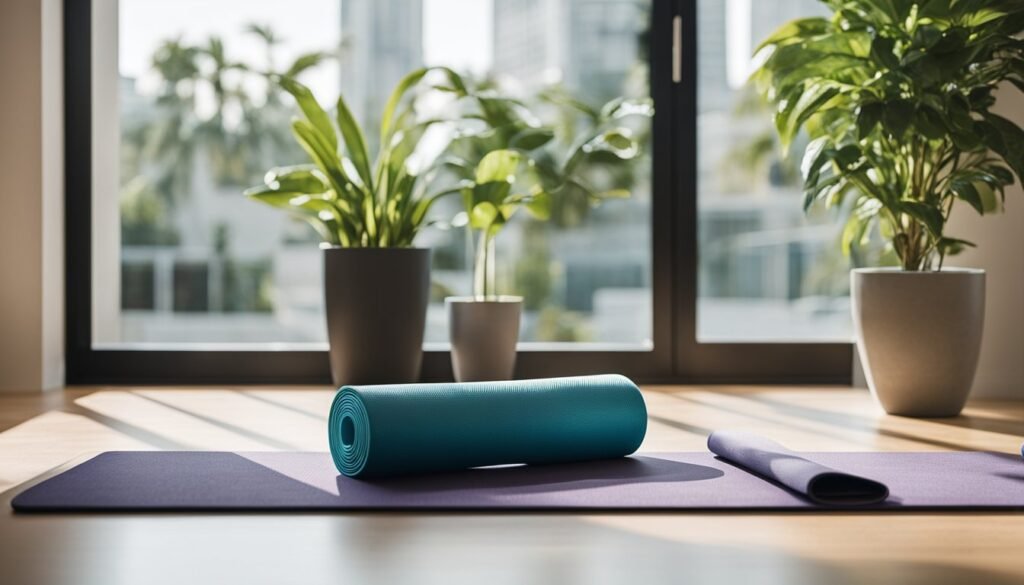
- Yoga Mat: Provides comfort and stability for floor exercises.
Optional items include kettlebells, a stability ball, or a jump rope.
Start with a few essential pieces and expand your equipment as you grow more comfortable with your routine. Make sure any equipment used is suitable for your fitness level and goals.
Space Preparation and Safety
Preparing your workout space is key to a successful home workout. Choose a location that is clean, free of clutter, and well-lit.
Ensure you have enough room to move freely without hitting furniture or other objects.
Check the flooring; a flat, non-slippery surface is ideal.
Safety is vital. Wear suitable footwear to prevent slips or injuries. If you’re using weights, ensure they’re placed securely.
Consider having water nearby to stay hydrated and take breaks as needed. Proper preparation helps prevent injuries and maximizes your workout effectiveness.
Designing Your Home Workout Routine
Creating a home workout routine requires careful planning. You want to set clear fitness goals and ensure a balanced program that works various muscle groups effectively.
Establishing Your Fitness Goals
To establish your fitness goals, first think about what you want to achieve. Are you looking to lose weight, build strength, or improve endurance? Define your goals clearly to create a focused plan.
Consider using the SMART goal-setting method. This means making your goals Specific, Measurable, Achievable, Relevant, and Time-bound. For example, instead of saying, “I want to get fit,” you could say, “I want to lose 10 pounds in 3 months by exercising four times a week.”
Write down your goals and track your progress. Adjust them as needed to stay motivated.
Creating a Balanced Exercise Program
A balanced exercise program includes both strength training and cardiovascular activities. Aim to target all major muscle groups throughout the week.
Here’s a simple outline:
- Strength Training: 2-3 days per week, focusing on exercises for legs, back, chest, and arms. Utilize bodyweight exercises or dumbbells.
- Cardio: 150 minutes of moderate-intensity per week. This can include walking, cycling, or home workout videos.
Start with a warm-up of 5-10 minutes to get your blood flowing. Cool down with stretching after each session to improve flexibility and prevent injuries.
Incorporate a variety of exercises to keep it interesting and challenging. Tracking your workouts can help you see improvements and stay committed.
Sample Workout Plans
Creating an effective home workout plan can help you stay active and fit. Below are sample routines that cater to different fitness levels and preferences, including bodyweight exercises, strength training without weights, and high-intensity interval training.
Bodyweight Exercises for Beginners
Bodyweight exercises are great for beginners. They use your own weight for resistance and require no equipment.
Sample Routine:
- Push-ups: 3 sets of 5-10 reps
- Squats: 3 sets of 10-15 reps
- Plank: Hold for 20-30 seconds
- Lunges: 3 sets of 8-10 reps per leg
- Glute Bridges: 3 sets of 10-15 reps
Focus on proper form to prevent injury. Aim to perform these exercises 2-3 times each week. Increase your reps or sets as you get stronger.
Strength Training without Weights
You can effectively build strength at home using common household items. This method is versatile and cost-effective.
Sample Routine:
- Chair Dips: 3 sets of 8-12 reps
- Water Jug Rows: 3 sets of 8-12 reps per arm
- Stair Step-Ups: 3 sets of 10-15 reps per leg
- Backpack Deadlifts: 3 sets of 10-12 reps
- Wall Sits: Hold for 20-40 seconds
These exercises target multiple muscle groups. Choose two or three sessions a week to see results.
High-Intensity Interval Training (HIIT) at Home
HIIT sessions are effective for burning calories in a short amount of time. They combine intense bursts of activity with short rest periods.
Sample Routine:
- Jumping Jacks: 30 seconds
- Rest: 15 seconds
- Burpees: 30 seconds
- Rest: 15 seconds
- Mountain Climbers: 30 seconds
- Rest: 15 seconds
- High Knees: 30 seconds
- Rest: 15 seconds
- Repeat for 4-6 rounds
This routine elevates your heart rate and improves endurance. Aim for 2-3 sessions per week for effectiveness.
Progress Tracking and Adaptation
Tracking your progress and adapting your routine is crucial for achieving fitness goals at home. By monitoring what you do, you can easily see improvements and make necessary changes to keep advancing.
Monitoring Your Progress
To effectively track your progress, start by setting clear, measurable goals. Use a journal or an app to log your workouts, noting exercises, sets, reps, and weights. This helps you see patterns and growth over time.
Consider using tools like a workout tracker or mobile apps such as Jefit. These can help you log exercises and monitor performance efficiently. Measuring your body dimensions, taking photos, or assessing your endurance can also provide insights into your progress.
Regular check-ins, such as every two to four weeks, allow you to evaluate your achievements and adjust your goals as necessary. Celebrate small victories along the way to keep yourself motivated.
Adapting Your Routine for Continuous Improvement
As you progress, it’s essential to adapt your workout routine to avoid plateaus. Gradually increase the intensity by adding more weight, increasing repetitions, or reducing rest time.
Try varying your exercises every few weeks to challenge different muscle groups. You can switch between strength training and cardio-focused sessions to engage your body differently.
Periodization is effective for organizing your workouts into phases that emphasize strength, power, or endurance. By doing this, you provide your muscles with varied stimuli, promoting continuous improvement and reducing the risk of injury.
Frequently Asked Questions
You may have several questions about home workout routines. Here are specific answers to common inquiries that can help you get started and achieve your fitness goals.
What are the best home workout routines for building muscle?
To build muscle at home, focus on strength training exercises such as push-ups, squats, and lunges. You can also use resistance bands or household items like water bottles for added weight. Aim for routines that target major muscle groups with sets of 8-12 repetitions.
How can I create an effective home workout plan without equipment?
Start by selecting bodyweight exercises like planks, jump squats, and burpees. Create a balanced routine that includes a warm-up, main workout, and cooldown. Structure your plan around different muscle groups each day to ensure full-body training over the week.
Can a 20 minute home workout be sufficient for fitness goals?
Yes, a 20-minute workout can be effective if it includes high-intensity exercises. Focus on compound movements that work multiple muscle groups simultaneously, such as push-ups and mountain climbers. Make sure to maintain intensity to maximize your results in a short time.
How often should I perform home workouts for optimal results?
Aim to work out at least three to five times a week. This frequency allows for muscle recovery while ensuring consistent progress. Balance your workouts with rest days to prevent fatigue and injury.
What are some effective home workout routines for beginners?
Beginners can start with basic routines that include bodyweight exercises like squats, push-ups, and planks. Focus on mastering form and technique first. Gradually increase the intensity and duration of your workouts as you become more comfortable.
Are there any comprehensive home workout plans available in PDF format?
Yes, there are many downloadable home workout plans available online. These plans typically include detailed routines and exercises for various fitness levels. Check fitness websites or apps for options that suit your goals and preferences.